
The psychology behind high-stakes gambling behavior
Understanding the Thrill of High-Stakes Gambling
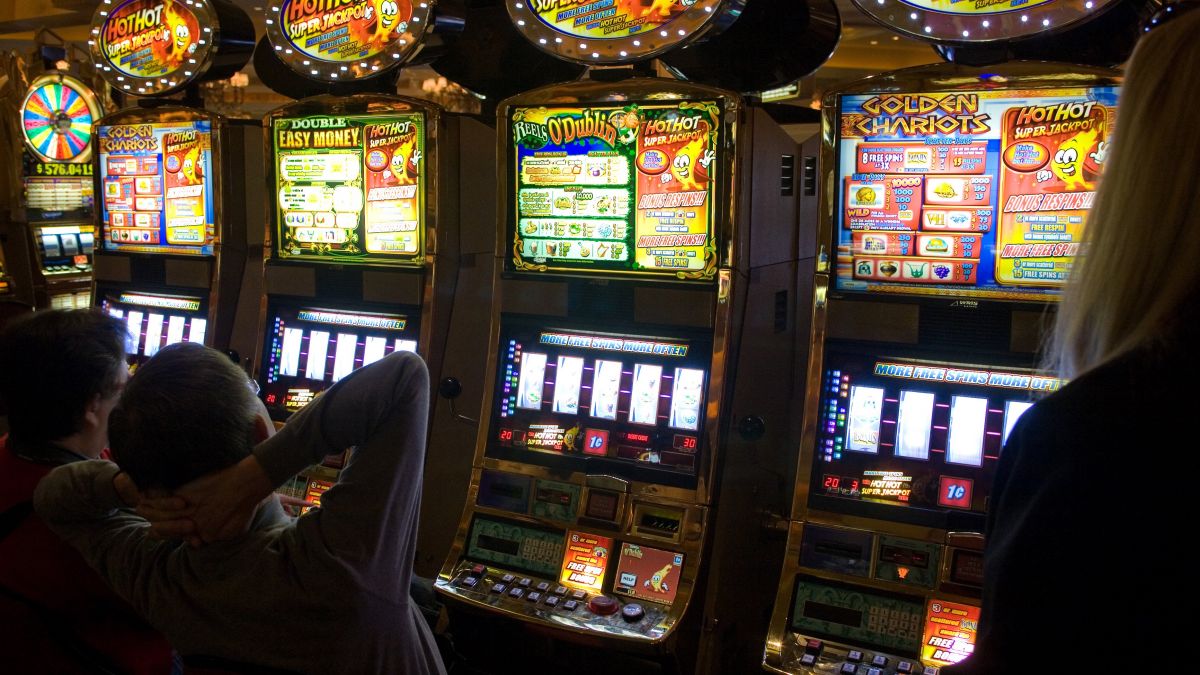
High-stakes gambling captivates many due to the adrenaline rush and excitement it brings. The psychological allure is often tied to the potential for significant financial gain, which can lead to euphoric highs when winning. This thrill-seeking behavior is often amplified by the environment of casinos, designed to stimulate the senses and create an atmosphere of excitement and urgency. Those interested in improved banking solutions should consider https://best-online-casinoaustralia.com/payid-casino/ for their gaming experience.

Furthermore, the concept of risk plays a crucial role in this behavior. Many gamblers are drawn to the idea of risking large sums for the chance of a life-altering win. This dynamic can create a cycle where the anticipation of winning fuels further gambling, despite the inherent risks involved.
Myths and Misconceptions about High-Stakes Gamblers
There are several misconceptions surrounding high-stakes gambling. One prevalent myth is that successful gamblers rely solely on luck. In reality, many high-stakes players employ strategies and knowledge of games to inform their decisions. This understanding can lead to a false sense of confidence, causing individuals to underestimate the risks associated with their betting habits, particularly regarding their gambling endeavors.
Another common misconception is that high-stakes gamblers are merely reckless individuals. Many players are calculated and disciplined, often setting strict limits on their betting. However, the public perception often fails to recognize this nuanced behavior, painting a one-dimensional picture of gamblers.
The Role of Cognitive Bias in Gambling Behavior
Cognitive biases significantly influence gambling decisions, particularly in high-stakes environments. Players often fall victim to the illusion of control, where they believe they can influence outcomes despite the inherent randomness of games. This misconception can lead to increased betting and a greater tolerance for risk.
Additionally, confirmation bias can play a role, where gamblers focus on their wins while dismissing losses. This selective memory reinforces a gambler’s belief in their skills or luck, perpetuating the cycle of high-stakes gambling. Understanding these biases is crucial for anyone looking to comprehend or address problematic gambling behavior.
The Impact of Social Influences on Gambling Behavior
Social factors also significantly impact high-stakes gambling behavior. Many individuals are influenced by the experiences and opinions of their peers. The social environment can create pressure to engage in high-stakes gambling, often framed as a rite of passage or a sign of financial success.
Moreover, the presence of high-profile gamblers in media can glamorize the lifestyle associated with high-stakes gambling, making it seem appealing and achievable. This portrayal can lead individuals to underestimate the risks involved, as they may only focus on the successes of others without recognizing the potential for significant losses.
Explore Safe and Responsible Gambling
As understanding the psychology behind high-stakes gambling behavior becomes more critical, it is vital to promote safe gambling practices. Engaging in responsible gambling ensures that individuals can enjoy the entertainment aspect without succumbing to harmful behaviors. Tools such as self-exclusion, budgeting, and setting time limits can help maintain control over gambling habits.
Our website provides resources and information to help users navigate the world of gambling responsibly. By focusing on safety and well-being, we aim to equip individuals with the knowledge needed to engage in gambling as a form of entertainment, rather than a source of stress or financial strain.

