
The evolution of gambling A historical journey through time
The Origins of Gambling
The history of gambling dates back to ancient civilizations, where the act of betting and wagering was often linked to religious practices and rituals. Archaeological findings suggest that as early as 3000 BCE, people in Mesopotamia engaged in games of chance using dice made from bone and other materials. These early forms of gambling laid the groundwork for what would evolve into various betting games across cultures. Today, many people enjoy the thrill of playing at an online casino, reflecting these age-old traditions.
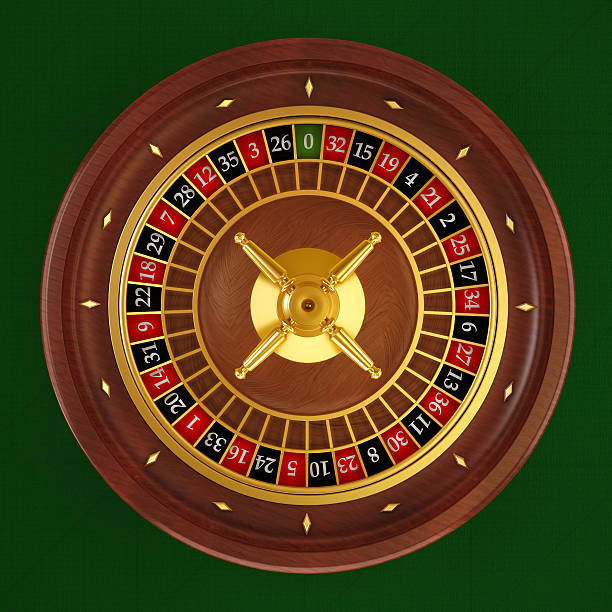
As societies progressed, gambling became more organized. In ancient China, for example, the first recorded lottery appeared around 200 BCE, used to finance government projects. Similarly, in Rome, chariot races and gladiatorial games often had betting elements, showcasing how gambling was woven into the fabric of social life. This historical backdrop illustrates that gambling has always been more than mere play; it has served as a means of entertainment, revenue, and cultural expression.
The Rise of Casinos
The 17th century marked a significant turning point in the evolution of gambling with the emergence of the first official casinos. Venice opened its doors to the Ridotto in 1638, a government-sanctioned facility that offered various card games to the public. This establishment set the stage for the modern casino, as it combined gambling with social gatherings and entertainment.
In the following centuries, casinos proliferated throughout Europe and eventually found their way to America. The iconic Las Vegas Strip, which transformed into a gambling mecca in the mid-20th century, became emblematic of a burgeoning casino culture. The glitz and glamour associated with these establishments attracted millions, and today, casinos offer a wide array of games ranging from poker to slot machines, catering to diverse tastes and preferences.
The Technological Revolution
The late 20th century ushered in a technological revolution that significantly impacted gambling. The advent of the internet led to the rise of online casinos, enabling players to gamble from the comfort of their homes. The first online casino, launched in 1994, paved the way for an industry that would rapidly expand, offering everything from classic games to innovative new formats.
With technology continuously evolving, so too did the gambling experience. Mobile applications now allow users to place bets on-the-go, while live dealer games provide a more immersive experience, bridging the gap between virtual and traditional gambling. This technological evolution has not only made gambling more accessible but has also increased its popularity worldwide.
The Cultural Impact of Gambling
Gambling has always held a significant place in various cultures, often reflecting societal values and attitudes. In some cultures, it is seen as a recreational activity that fosters community and social interaction, while in others, it carries a more negative stigma. The portrayal of gambling in media, literature, and film has further influenced public perception, often romanticizing the thrill of risk and reward.
As gambling continues to evolve, so do the discussions surrounding its implications. Issues such as problem gambling and regulation have become focal points for governments and organizations, leading to initiatives aimed at promoting responsible gambling. This ongoing dialogue highlights the need for a balanced understanding of gambling’s role in society—celebrating its entertainment value while recognizing the potential risks associated with it.

About This Website
This website aims to provide a comprehensive look at the evolution of gambling, offering insights into its historical development, cultural significance, and technological advancements. Our goal is to explore how gambling has transformed over time and how it continues to shape social interactions and entertainment in the modern world.
By delving into the various facets of gambling, we hope to create a resource that informs and engages readers, whether they are casual players, industry professionals, or curious historians. Join us on this historical journey through time as we uncover the layers of gambling’s rich legacy.

